Augmented Socio-Cognitive Intelligence (ASCI) Lab at UQ
About the Lab
The Augmented Socio-Cognitive Intelligence (ASCI) Lab brings together researchers from human-computer interaction, interaction design, cognitive science, social psychology, and artificial intelligence to advance the science and design of human-centred AI systems. Our work is united by a shared goal: to understand, augment, and align AI with the rich socio-cognitive capacities that humans bring to collaboration, decision-making, and sense-making. We build systems, run experiments, and develop theory at the intersection of people and technology.
We are part of the School of Electrical Engineering and Computer Science at the University of Queensland, Brisbane, Australia.
People
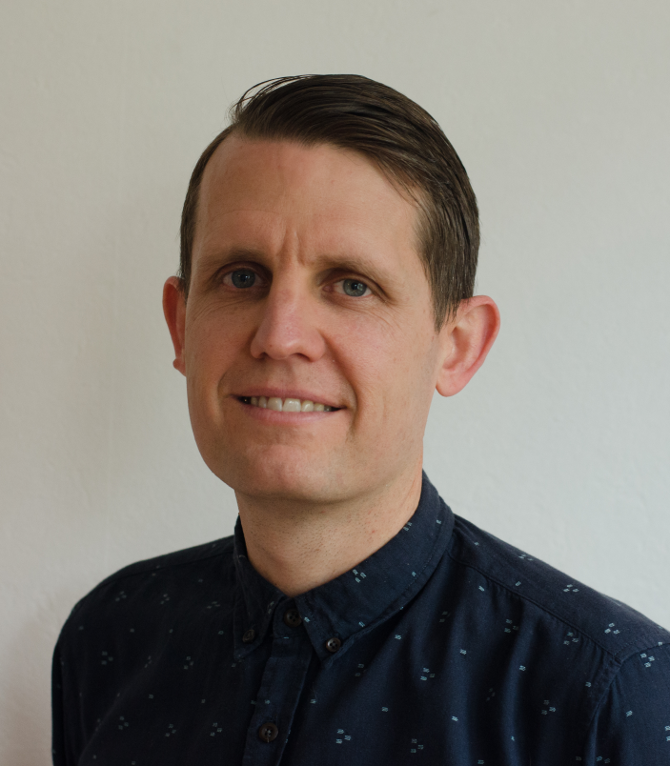
Tim Miller
TIET-UQ Chair of Data Science & Professor of Artificial Intelligence
"My mission is to improve the capabilities of expert decision makers by using artificial intelligence to do the hard things."
Tim's research draws on machine learning, interaction design, and cognitive science to help people make better decisions. His experience has taught him that building machine learning models that are "more accurate" does not necessarily translate to better outcomes for users — other human factors are critical: does user performance improve? Do they trust it? Can they understand it? Does it erode their skills? When we start asking these questions, the systems we build look very different from those built when model accuracy is the primary metric.
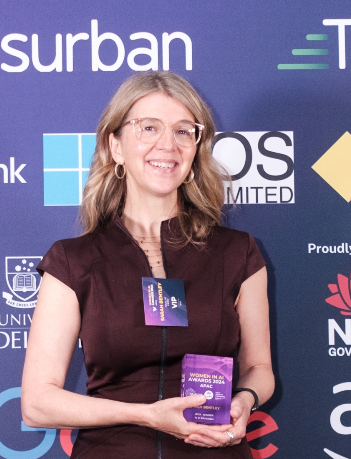
Dr Sarah Bentley
Senior Research Fellow
"As a social psychologist trained in social identity theory my role is to mechanise, measure and manipulate both individual and group dynamics in order to optimise human and machine outcomes."
Sarah is a multiple award-winning researcher in social psychology who works from a social identity perspective, trained with global leaders in Social Identity Theory at The University of Queensland. She specialises in evidence-based evaluations of socio-contextual processes, including group and team dynamics, identity-based interventions, and scaling behaviour change. At the ASCI Lab her research focuses on empirically extending a socio-cognitive understanding of human-AI interactions, and particularly the impact of AI-enhanced decision tools on psychological process. Prior to joining UQ she worked as a senior research scientist at CSIRO, specialising in bridging the gap between the principles of Responsible AI and their measurable practice.
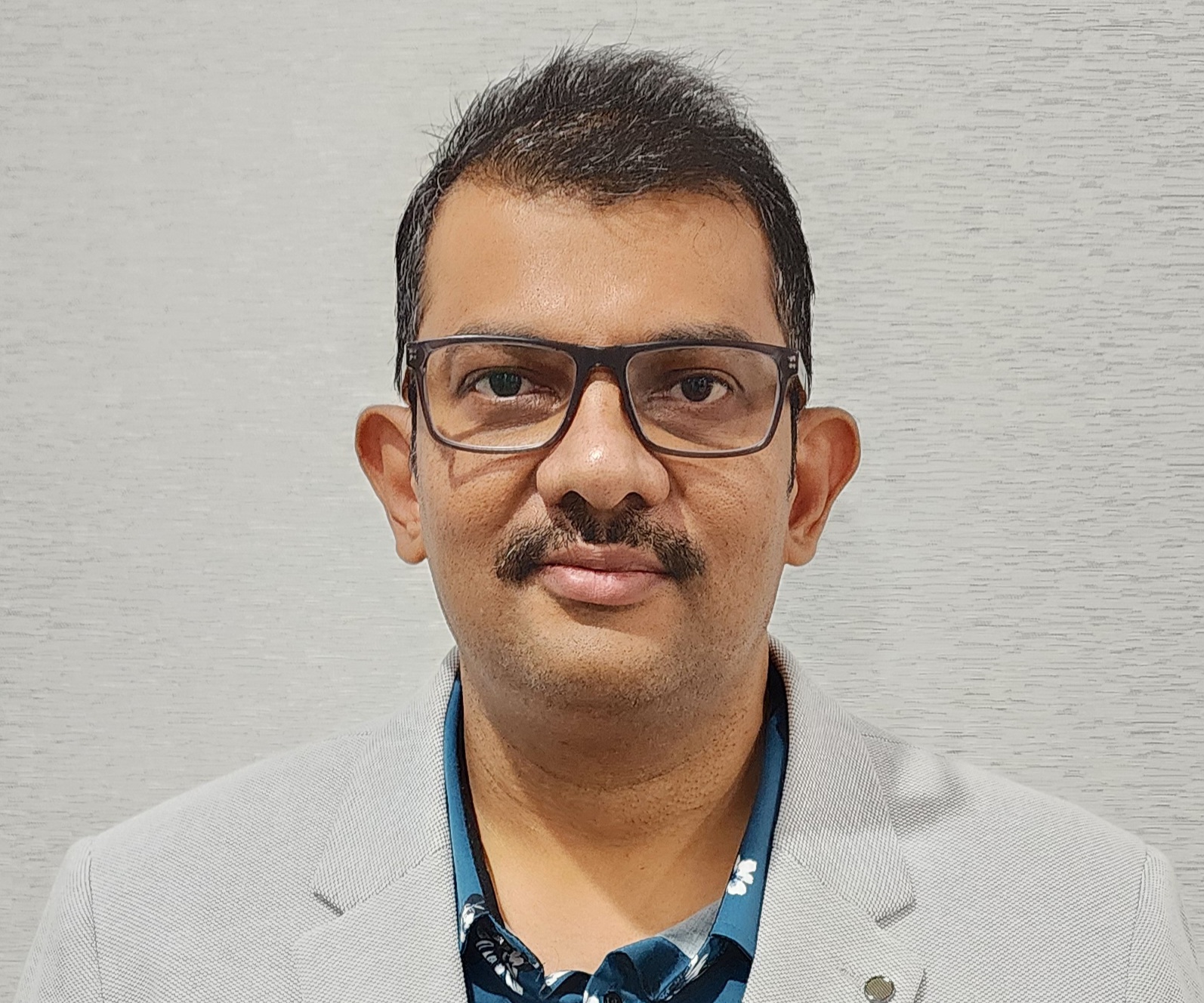
Ronal Singh
Senior Research Fellow
"My mission is to design AI systems that give decision-makers the situation awareness needed to reason through complex decisions and remain in control across both AI deferral and oversight."
Ronal is a researcher in human-centred AI-assisted decision-making, with a focus on how AI systems can support rather than replace human judgment in high-stakes settings. His work examines how evidence, uncertainty, and explainability should be structured to help people make better decisions while retaining control. He is particularly interested in human-AI teaming — including when systems should defer to human expertise and how assistance should be calibrated to avoid over- or under-reliance. Methodologically, he combines empirical human-subject studies with the design and evaluation of interactive AI systems.
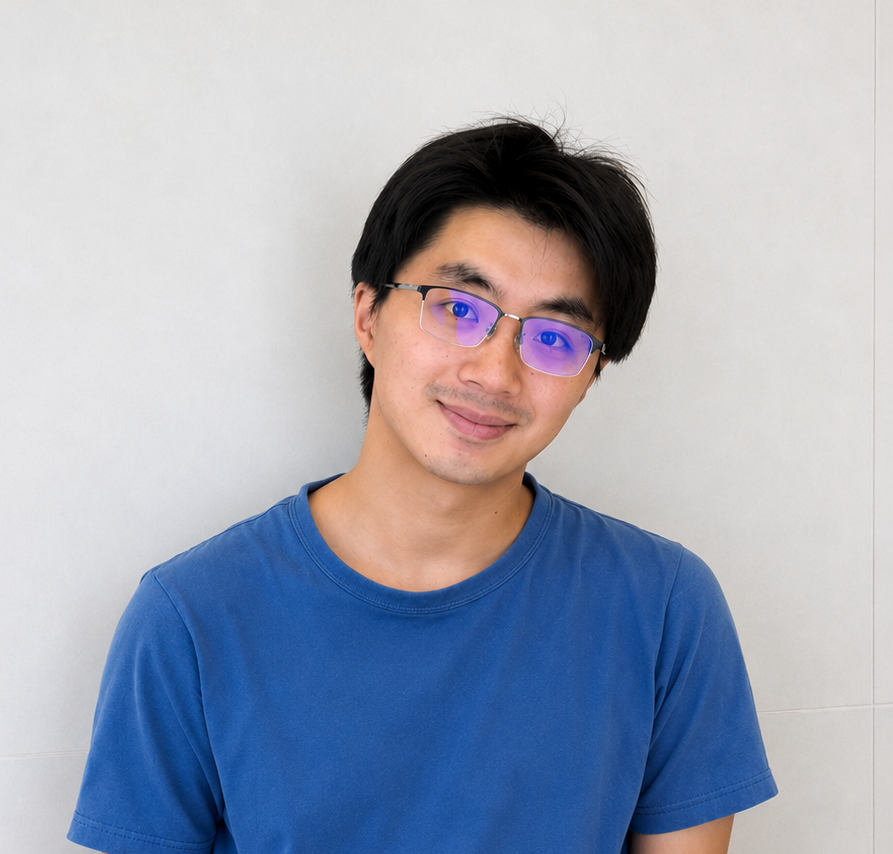
Chengbo Zheng
Postdoctoral Researcher
"My mission is to design AI that sustains people's capacity to think and judge for the world we share, because I believe a good society depends on those who never stop doing so."
Chengbo is an HCI researcher focusing on human–AI collaboration for sensemaking and decision-making. He completed his PhD at the Hong Kong University of Science and Technology (HKUST). His research is highly interdisciplinary, spanning the intersections of HCI with data science, education, and AI for science. More broadly, he is interested in designing AI systems that enhance human metacognition and support more reflective and effective collaboration with AI. His current work centers on augmenting clinical workflows—particularly in dermatology—through human-centered AI systems. He loves cats and dogs.
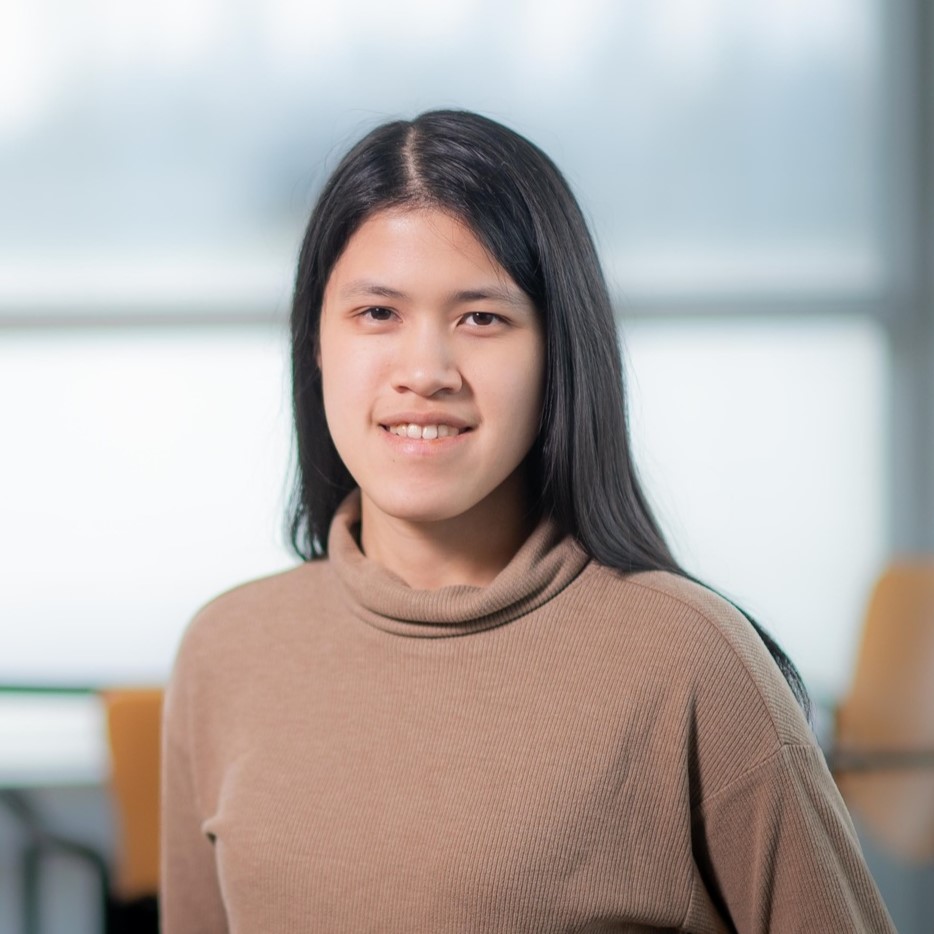
Thitaree (Mint) Tanprasert
Postdoctoral Researcher
"My goal is to help shape an AI future where success is measured not only by what AI can do for people, but by who it helps people become."
Mint's broad research area is Human-Computer Interaction (HCI), specifically the intersection of artificial intelligence, multimedia, and education. Her current project focuses on the effect of AI usage on knowledge workers' skill erosion. She has experience in user-centred design methods, quantitative and qualitative research methods, as well as a technical computer science background. In her free time, she enjoys swimming and playing the piano.

Saumya Pareek
Postdoctoral Researcher
"My mission is to understand how humans reason and make decisions with AI, so that the AI systems we build can support sound human judgment and calibrated human trust."
Saumya is a researcher at the ASCI Lab. Before this, she completed her PhD at the University of Melbourne, where she examined factors impacting users' trust and reliance on AI during decision-making — with a particular interest in how AI systems can be designed to support appropriate reliance. Her research now extends this foundation towards the broader challenge of human oversight of AI, with a focus on supporting users' sensemaking and control over AI systems. Broadly, she is interested in the socio-cognitive processes that decision-making, and in designing interaction techniques that support humans in correctly evaluating and relying on AI outputs. Her work combines empirical behavioural studies and mixed methods approaches.

Dice Yukita
PhD Candidate
"My mission is to understand what humans should fight to cognitively engage with amidst AI delegation and translate those learnings to the design industry I come from."
Dice's research examines how AI is impacting the way knowledge workers write in organisational workplace settings, and how to design for the scaffolding of human-AI cognitive distribution — balancing the benefits of AI automation with cognitive ownership. He is particularly interested in how to support the emerging plan/delegate/review cognitive process through a "prototyping" approach to writing, and how AI-mediated documents affect downstream knowledge propagation in workplaces.

Saied Salem
PhD Candidate
"My mission is to understand how human reasoning aligns with how AI models make decisions, and use this understanding to design trustworthy AI decision-support systems."
Saied's research focuses on Explainable AI, particularly concept-based explanations for computer vision models. He aims to bridge the gap between complex feature representations and human reasoning by developing faithful and trustworthy AI systems. His work explores how human-centred explanations can support expert collaboration in human-centred decision support systems.

Bing Tuo
PhD Candidate
Great passion for human-centered AI — exploring how to build AI system that not only helps people make better decisions, but are also system people can trust and rely on. As a father of two boys, I am also deeply interested in how children can learn to use AI responsibly, critically, and creatively.
Research Themes
Contact
📍 School of Electrical Engineering and Computer Science
Building 78, St Lucia Campus
The University of Queensland, Brisbane QLD 4072, Australia
We welcome enquiries from prospective PhD students, research collaborators, and industry partners.